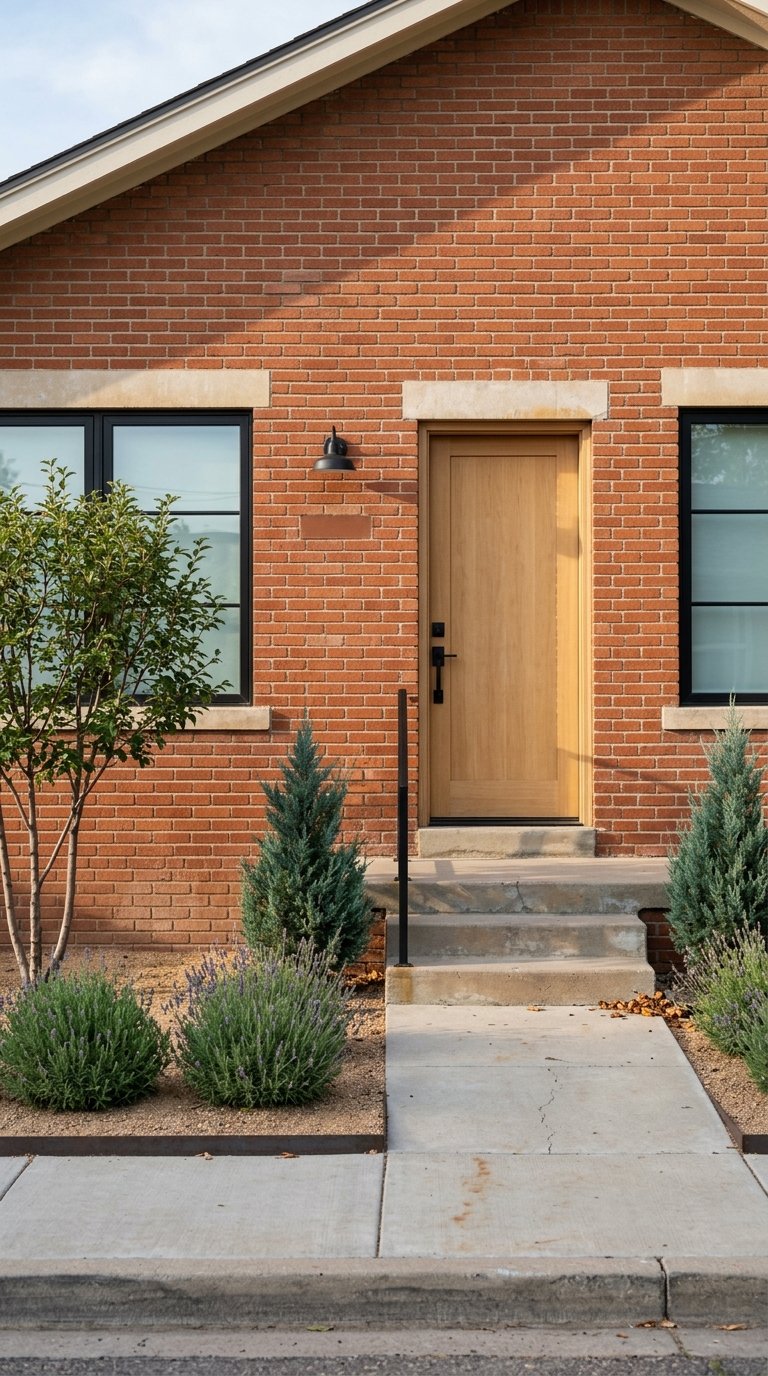
Trying to choose between a historic home and a newer build in Pueblo? You are not alone. In a city where much of the housing stock is decades old, but newer growth continues in areas like north Pueblo and Pueblo West, this decision often comes down to more than looks alone. If you are weighing charm, maintenance, energy use, and long-term fit, this guide will help you compare your options with more confidence. Let’s dive in.
Pueblo Housing Gives You Two Distinct Paths
If you are shopping in Pueblo, you are usually comparing two very different housing experiences. On one side, you have older homes in established parts of the city. On the other, you have newer homes in growth areas with more recent planning and construction patterns.
According to the U.S. Census QuickFacts for Pueblo, the city’s median owner-occupied housing value is $247,200, and the owner-occupied housing unit rate is 61.4%. A city housing assessment also found that about 73% of Pueblo’s housing inventory is more than 40 years old, while newer construction has increasingly concentrated in north Pueblo and Pueblo West, with much of the permitting from 2015 to 2020 occurring west of I-25, as outlined in the City of Pueblo housing assessment.
That means your decision is often not just about age. It is also about location, neighborhood layout, upkeep expectations, and the kind of day-to-day lifestyle you want.
What Historic Homes Offer
Historic homes in Pueblo often stand out because of their setting as much as their architecture. The city’s design standards describe many older neighborhoods as being laid out on a traditional street grid between 1869 and 1899, with regular setbacks, front porches, street trees, bluegrass lawns, and wood slat fences, according to Pueblo’s Residential Design Standards.
You also tend to see more visual variety from block to block. Pueblo’s older housing includes Victorians, Queen Annes, Craftsman bungalows, Pueblo Revival homes, and vernacular worker housing. Those style mixes are a normal part of the city’s historic character, not an exception.
In practical terms, a historic home may appeal to you if you want:
- Distinctive architecture
- Mature neighborhood patterns
- Established street trees and porches
- More variation from one home to the next
- A sense of long-standing neighborhood identity
The city’s Opportunity Zone neighborhood overview describes places like Corona Park, Mesa Junction, and Lake Minnequa/Bessemer as areas with historic development patterns and strong visual character. For many buyers, that established street fabric is a major draw.
What Newer Homes Offer
Newer homes in Pueblo usually reflect a different planning style. Instead of traditional grids, newer neighborhoods often feature curving streets, cul-de-sacs, and more consistent lot patterns. The city’s planning materials for newer residential development describe detached and attached homes on similarly sized lots, often with sidewalks, pocket parks, and shared maintenance for certain amenities.
For example, the Villa Bella filing documents outline a modern subdivision format with 310 modestly sized single-family lots, sidewalks, pocket parks, and district or HOA maintenance for some features. That kind of setup often appeals to buyers who want a more predictable layout and fewer surprise projects.
The city housing assessment also notes demand for smaller detached homes, townhomes, and options with fewer maintenance responsibilities. It specifically highlights no-step ranch homes and duplex-style townhomes as newer products that can appeal to downsizers and retirees.
A newer home may be a better fit if you value:
- More modern floor plans
- Fewer near-term repair concerns
- Simpler exterior upkeep
- More uniform lot and street patterns
- Features designed around lower-maintenance living
Compare Character Versus Convenience
One of the biggest tradeoffs is character versus convenience. Historic homes often give you details that are hard to duplicate, such as original trim, porch design, varied rooflines, and a more eclectic streetscape. Newer homes often give you a more streamlined ownership experience, especially in the first years.
Neither option is automatically better. The right choice depends on how much value you place on originality, neighborhood feel, and architectural detail versus ease of maintenance, modern systems, and a more turnkey move.
If you love a home’s charm, ask yourself whether you also enjoy the responsibility that can come with preserving it. If you prefer simplicity, a newer property may align better with your routine and budget planning.
Know the Maintenance Expectations
Maintenance is often where this decision becomes real. Older homes can offer lasting appeal, but they may also need more careful review. That does not mean every historic home is high-maintenance, but it does mean you should look closely at condition, updates, and how much original material remains.
As you tour a historic property, consider questions like these:
- How much original exterior material is still in place?
- Have windows or doors been repaired, replaced, or altered?
- Have major systems already been updated?
- Does the home need insulation or air sealing improvements?
- Are you comfortable maintaining older materials over time?
For newer homes, the checklist often shifts. You may spend less time worrying about immediate upgrades and more time confirming build quality, warranty details, and whether the home includes features that truly support lower maintenance.
Understand Historic District Review Rules
If a historic home is located in a local landmark area or historic district, some exterior changes may require city review. Pueblo requires a Certificate of Appropriateness for certain exterior modifications in these cases.
That said, not every project triggers review. The city notes that routine exterior maintenance, landscaping, and interior remodeling are exempt. Its standards also emphasize preserving character-defining features and placing additions at the rear when practical.
This is an important point for buyers. If you are considering a historic property, you will want to confirm:
- Whether the property is in a local historic district or has local landmark status
- Which exterior projects may require approval
- Whether your future plans involve changes to visible exterior features
This does not have to be a deal-breaker. It just means you should understand the process before you buy.
Think Realistically About Energy Efficiency
Energy performance is another major difference between historic and newer homes. Older homes often started with less insulation than homes built today. The U.S. Department of Energy recommends beginning with air sealing and insulation checks when improving an older home’s efficiency.
For historic homes, the goal is usually thoughtful improvement rather than full replacement of every original feature. The National Park Service guidance referenced in the research makes the case that weatherization should minimize impact on historic materials and design, and that windows and doors can often be repaired or upgraded rather than removed. It also notes that attic or basement insulation may be more appropriate than wall insulation in many historic buildings.
A useful way to think about this is that many older homes can improve meaningfully, but they may not start from the same baseline as newer construction. That makes inspections and improvement planning especially important.
Check Whether a Newer Home Is Verified
A newer home is not automatically the same as an energy-efficient home. If efficiency matters to you, ask for specifics. ENERGY STAR certified new homes are built to strict EPA requirements and are at least 10% more energy efficient than code homes, with average performance about 20% better.
That distinction matters because some buyers assume “new” means “high-efficiency.” Sometimes that is true, but verification is stronger than assumption. If you are comparing newer homes, ask whether the property is simply recently built or actually certified through a recognized program such as ENERGY STAR.
Ask the Right Questions Before You Decide
Whether you are leaning historic or newer, the best decision usually comes from better questions. A home that looks perfect online may feel very different once you understand the upkeep, rules, or performance behind it.
Here are smart questions to ask during your search:
- How old are the major systems and materials?
- How much original fabric is still present in the home?
- Is the property in a local historic district?
- Which exterior changes, if any, require approval?
- What energy improvements have already been made?
- If the home is newer, is it certified through a program like ENERGY STAR?
- Does the layout and location fit how you want to live day to day?
These questions can help you move past surface-level impressions and focus on long-term fit.
Consider Location and Lifestyle Together
In Pueblo, the decision between historic and newer often overlaps with where you want to live. Older homes are frequently in more established parts of the city with traditional blocks and long-developed neighborhood patterns. Newer homes are more often found in north Pueblo, Pueblo West, and other edge-growth areas identified in the city’s housing assessment.
That means your choice may also affect commute patterns, lot configuration, and the overall feel of your surroundings. Some buyers love a mature block with porches and varied architecture. Others prefer newer streets, more uniform lots, and a layout designed for today’s maintenance preferences.
The best fit is the one that matches your priorities, not someone else’s idea of the “right” home. If you are clear on what matters most to you, the search becomes much easier.
Which Home Type Fits You Best?
A historic home may fit you best if you want character, established streetscapes, and are comfortable with preservation-minded upkeep. A newer home may fit you best if you want a more predictable ownership experience, modern layout, and stronger energy performance from the start.
If you are still deciding, it helps to tour both. Seeing these differences in person can quickly clarify what feels right for your budget, your timeline, and your daily life. If you want local guidance as you compare Pueblo’s older neighborhoods and newer growth areas, Rosalind Saucedo can help you sort through the tradeoffs and find the home that truly fits.
FAQs
What makes historic homes in Pueblo different from newer homes?
- Historic homes in Pueblo are often found in older grid-based neighborhoods with varied architectural styles, mature streetscapes, and long-established neighborhood patterns, while newer homes are more commonly in north Pueblo and Pueblo West with curving streets, more uniform lots, and modern subdivision layouts.
What should you check before buying a historic home in Pueblo?
- You should check how much original material remains, whether the home is in a local historic district, what exterior work may require a Certificate of Appropriateness, and what updates have already been made to insulation, windows, doors, and major systems.
Do exterior projects on historic homes in Pueblo require city approval?
- Some exterior modifications may require approval through Pueblo’s Certificate of Appropriateness process if the property is a local landmark or in a historic district, but routine exterior maintenance, landscaping, and interior remodeling are exempt.
Are newer homes in Pueblo more energy efficient?
- Newer homes often start with a better energy baseline than older homes, and ENERGY STAR says certified new homes are at least 10% more energy efficient than code homes and about 20% better on average.
Can you improve energy efficiency in an older Pueblo home?
- Yes, older homes can often improve through air sealing and insulation checks, and for historic homes, approaches like attic or basement insulation and repair or upgrade of windows and doors may be more appropriate than more invasive changes.
Are historic properties in Pueblo eligible for financial incentives?
- Some historic properties listed in the National or State Register may be eligible for investment tax credits and grants, but listing does not automatically protect a property from alteration or demolition under local building rules.