Selling your home can feel overwhelming when you are trying to balance timing, price, prep, and paperwork all at once. If you are wondering what actually happens between the day you decide to sell and the day you hand over the keys, you are not alone. The good news is that a clear plan can make the process feel much more manageable, especially in a Pueblo market where pricing and presentation still matter. Here is how we market and sell your Pueblo home step by step.
Start With Pricing Strategy
The first step is a real conversation about your goals, timing, and your home’s position in the Pueblo market. Pueblo is not a one-price-fits-all market, and broad city averages only tell part of the story. Neighborhood pricing can vary quite a bit, so your pricing plan should be built around hyperlocal comparable sales, not guesswork.
In Pueblo, current market data points to a balanced to buyer-leaning market. Realtor.com’s May 2026 snapshot showed about 1,100 homes for sale, a median listing price of $285,000, a median sold price of $269,900, 58 median days on market, and homes selling for 99% of asking price on average. The Pueblo County MLS report for April 2026 showed 4.9 months of inventory, 94 days on market until sale, and 97.6% of list price received.
That means your list price needs to do two things at once. It needs to attract serious buyer attention quickly, and it also needs to hold up when the buyer’s appraisal is completed. Overpricing can reduce interest and weaken your negotiating position, while underpricing can leave money on the table or create issues later.
What We Review Before Setting Price
A strong comparative market analysis should look at:
- Recent closed sales
- Active competing listings
- Pending sales
- Price per finished square foot
- Bedroom and bathroom count
- Garage spaces
- Lot size
- Age and condition
- Unique location factors like corner lots, views, busy roads, nearby industrial uses, or floodplain status
This is also where a custom home valuation matters more than an instant estimate. Online tools can give you a starting point, but a customized CMA is what helps you price with confidence in Pueblo’s changing market.
Prepare Your Home To Show Well
Once pricing is in motion, the next step is getting your home ready for the market. In a place like Pueblo, where buyers often have options, condition and presentation can shape both showing activity and the final sale price. You do not always need a major remodel to make a strong impression.
Small cosmetic improvements often deliver more value than expensive renovations. Fresh paint, updated fixtures, deep cleaning, and tidy landscaping can help your home feel well cared for and move-in ready. In a measured market, those details can help shorten time on market.
Pre-Listing Checklist
Before your home goes live, it helps to focus on the basics:
- Declutter each room
- Deep clean the home
- Use neutral paint where needed
- Service the HVAC system
- Handle visible maintenance issues
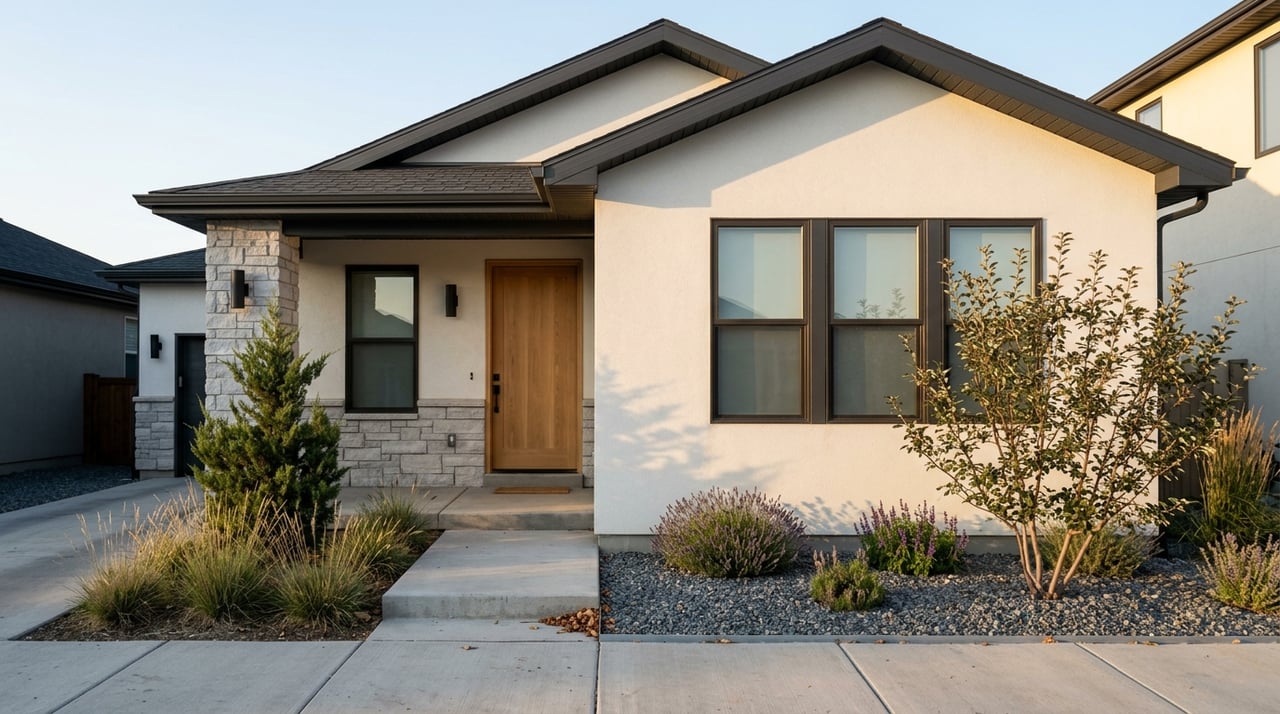
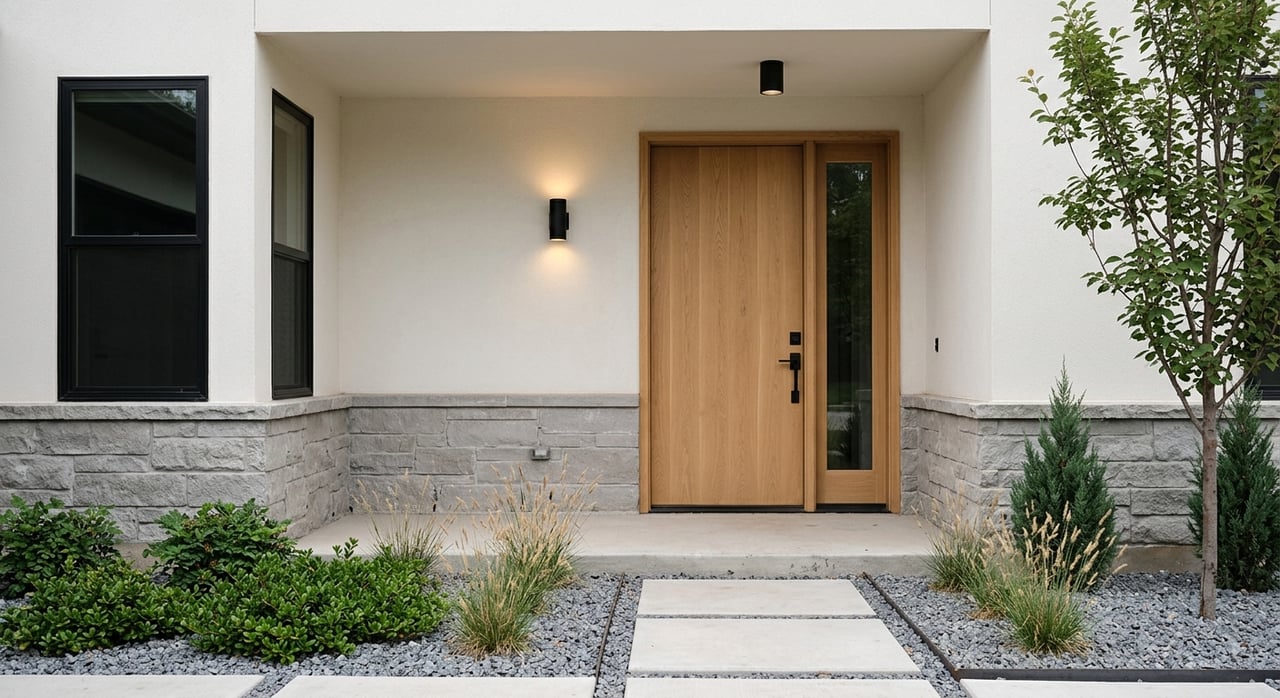
- Improve curb appeal and landscaping
- Gather utility bills and improvement receipts
- Consider a pre-listing inspection for older systems or additions
Professional photos and a floor plan are also part of smart preparation. Buyers usually compare homes online before they ever schedule a showing, so strong visuals are a key part of your launch.
Handle Seller Disclosures Early
Selling a home also means preparing the required disclosures. In Colorado, the Seller’s Property Disclosure form for residential property became mandatory for public use on January 1, 2026. You complete this form based on your current actual knowledge, and if you discover a new adverse material fact later, it must be disclosed promptly.
If your home was built before 1978, federal law also requires lead-based paint disclosure before the sale is signed. That includes sharing any known lead information, providing available reports, giving the buyer the lead pamphlet, adding required warning language in the contract, and allowing a 10-day opportunity for lead testing.
Radon is another issue that can come up in Colorado real estate transactions. The Colorado Department of Public Health and Environment says elevated radon levels are found in one out of every two Colorado homes, and testing is encouraged during a real estate transaction. If elevated levels are found, buyers and sellers can work through mitigation during the deal.
Launch Your Marketing Plan
When your home is ready, the next step is the listing launch. This is more than putting a property in the MLS and waiting. In today’s Pueblo market, your home needs strong exposure from day one because buyers are comparing many listings online before they decide what to tour.
A polished launch typically includes professional photography and media that helps buyers understand the layout, condition, and overall feel of the home. The All Star Team’s public-facing platform also highlights digital marketing support, videographer resources, MLS virtual tours, and listing pages designed to help buyers explore a property in detail.
Why Marketing Quality Matters In Pueblo
Buyers in Pueblo have meaningful choice right now. With around 1,100 homes for sale in the broader market snapshot and homes often taking roughly two to three months to sell depending on the source and area, the homes that stand out tend to be the ones that are priced correctly, presented cleanly, and marketed well.
That is why launch timing matters. Good photos, accurate pricing, and a strong first impression can help generate better showing activity early, when your listing is freshest.
Manage Showings And Feedback
After your home goes live, the focus shifts to showings and buyer response. Showings are usually coordinated through appointments, and lockboxes may be used to make access easier when you are unavailable. In Colorado, lockboxes can increase showing volume, but they should only be used according to your instructions.
Some sellers prefer broker-present showings, while others want more flexible access to reduce scheduling issues. The right setup depends on your comfort level, your schedule, and the needs of the property. The goal is to make the home available enough to capture interest while still respecting your preferences.
Why Feedback Matters
Showing feedback is not just a courtesy. It is market intelligence.
If your home is getting showings but no offers, buyers may be reacting to condition, layout, or price. If showings are light from the beginning, that can be a sign the price or presentation needs to be reviewed quickly.
In Pueblo’s current market, waiting too long to respond can cost momentum. Reviewing feedback early gives you a better chance to adjust before the listing becomes stale.
Review Offers The Right Way
When offers come in, the highest price is not always the best outcome. What matters most is your net proceeds, the strength of the buyer, the financing terms, timelines, and the chance that the deal will actually make it to closing. A smart review looks at the full picture.
Seller costs can include brokerage fees, title and escrow charges, prorated taxes, mortgage payoff, liens, and any seller concessions you agree to. That is why two offers with different structures can lead to very different bottom-line results.
Key Parts Of Offer Review
When comparing offers, it helps to look at:
- Offered price
- Financing type
- Earnest money
- Inspection terms
- Appraisal risk
- Requested seller concessions
- Proposed closing date
- Possession timing
- Overall likelihood of closing smoothly
Appraisal risk is especially important in Pueblo. Appraisers rely on closed comparable sales, so if a contract price stretches beyond local evidence, the transaction may need renegotiation later.
Move Through Contract To Closing
Once you accept an offer, the sale moves into the contract phase. This usually includes inspection, appraisal, title work, final settlement, and transfer of ownership. It is a sequence, not a mystery, and each step has a purpose.
The inspection period gives the buyer a chance to evaluate the property and request repairs or credits if needed. The appraisal helps confirm that the value supports the buyer’s loan. Title work helps clear any ownership or lien issues before closing.
In Pueblo County, property taxes are collected one year in arrears, and the tax lien attaches to the property on January 1 of the tax year. That is one reason the closing statement usually includes tax prorations and title-company payoff calculations. It is part of the final math that helps settle the transaction correctly.
Some Pueblo-area properties may also need extra paperwork. For example, homes outside the city core with a well or rural water source can involve additional contract addenda and water-permit acknowledgments.
What This Process Means For You
The step-by-step process works best when each stage supports the next one. Accurate pricing helps attract the right buyers. Smart prep helps your home show well. Strong marketing creates visibility. Good feedback tracking helps guide decisions. Careful negotiation protects your proceeds and reduces surprises before closing.
That is especially important in Pueblo, where neighborhood trends, buyer choice, and realistic pricing all play a role in how smoothly your home sells. A local, hands-on strategy can help you move forward with more confidence and less stress.
If you are thinking about selling and want a clear local plan, Rosalind Saucedo can help you understand your home’s value, the right pricing strategy, and the best next steps for your move.
FAQs
How long does it take to sell a home in Pueblo, Colorado?
- Current Pueblo market data suggests homes often take roughly two to three months to sell, depending on the area, pricing, condition, and data source.
What improvements matter most before listing a Pueblo home?
- Decluttering, deep cleaning, neutral paint, visible maintenance, landscaping, and professional photos often matter more than major remodeling.
What disclosures are required when selling a home in Colorado?
- Colorado sellers typically complete the residential Seller’s Property Disclosure form based on current actual knowledge, and pre-1978 homes also require lead-based paint disclosure.
What happens after I accept an offer on my Pueblo home?
- After acceptance, the sale usually moves through inspection, appraisal, title work, prorations, final settlement, and transfer of ownership.
Why is pricing so important in the Pueblo real estate market?
- Pueblo is a balanced to buyer-leaning market, so correct pricing helps attract buyers quickly, supports negotiations, and reduces appraisal risk later.
Can I sell a Pueblo-area property with a well or rural features?
- Yes, but some rural or well-served properties may require extra contract paperwork, including water-related acknowledgments or addenda.